
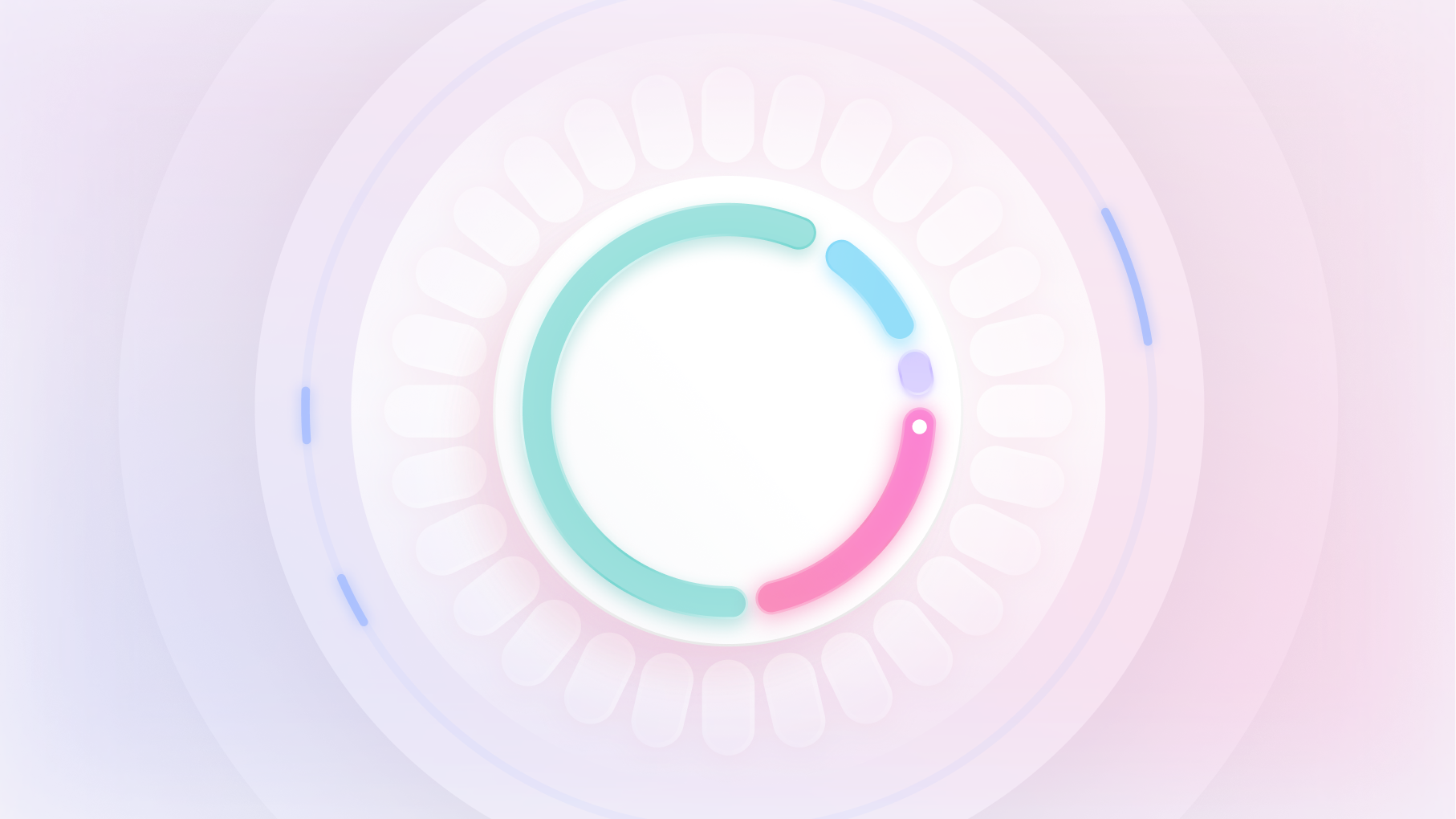
A typical natural cycle is divided into the Follicular and Luteal phases, separated by ovulation. Bevel further distinguishes this into four phases including Period (Menstrual), Follicular, Ovulatory and Luteal phases for granular predictions and guidance.
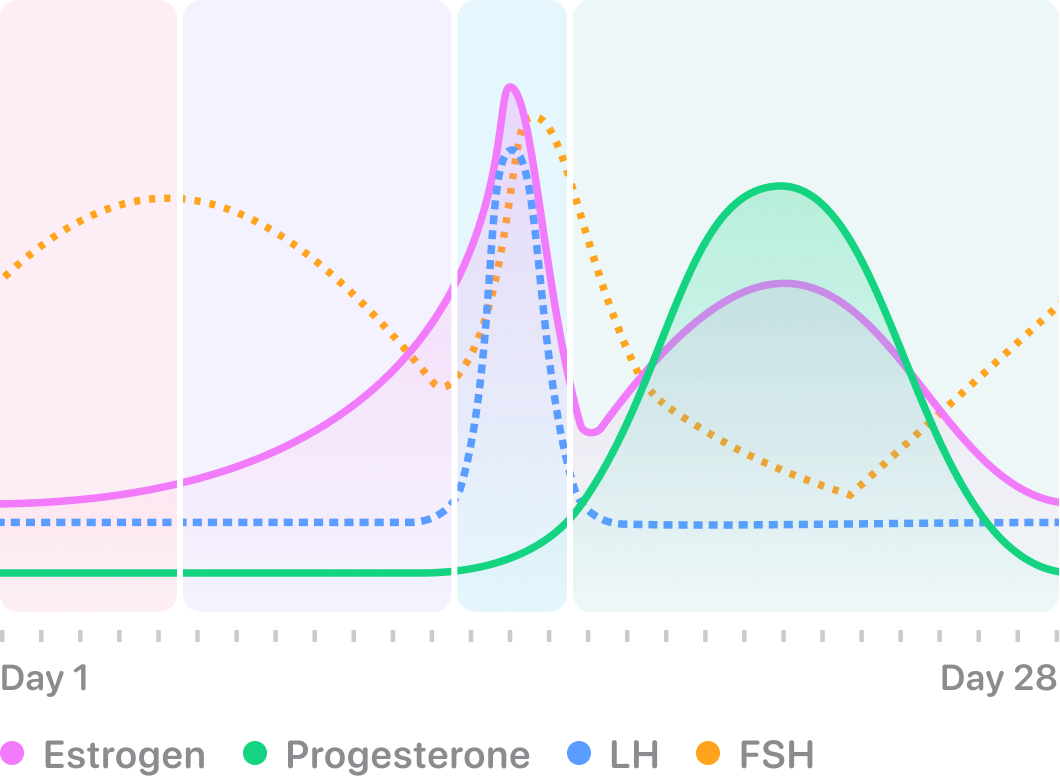
The Phases
Menstrual Phase (Period)
What’s happening:
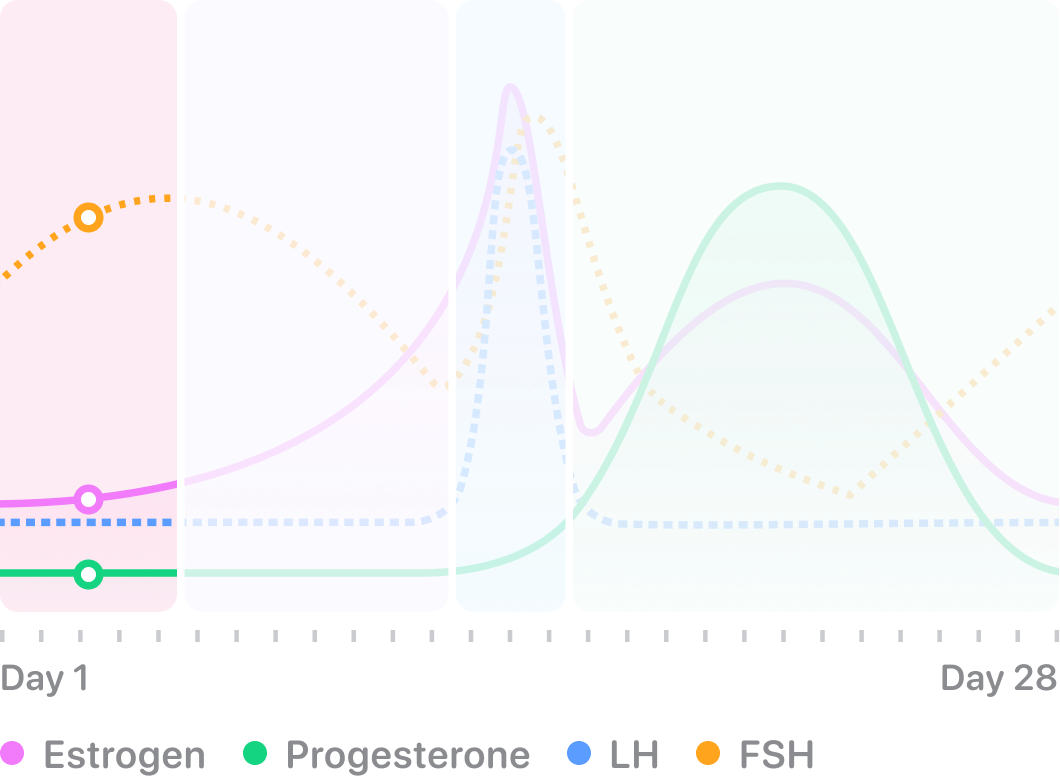
Your body is shedding the uterine lining (the endometrium) that was built up during the previous cycle. This shedding happens because hormone levels, especially estrogen and progesterone, have dropped, signaling the body that pregnancy did not occur. The menstrual flow contains blood, mucus, and tissue from the uterus. The period typically lasts 2–8 days, though this can vary with age, stress, and hormonal balance.
Typical symptoms:
- Physical: Cramping, bloating, breast tenderness, fatigue, and headaches.
- Emotional: Irritability, mood dips, and lower motivation due to hormone withdrawal.
- Energy patterns: Low energy; your body benefits from rest, hydration, and gentle movement like stretching or light walks. If you’re feeling good, this can be a surprisingly strong time for workouts.
Key hormones:
- Estrogen and progesterone: Both are at their lowest levels.
- FSH (Follicle-Stimulating Hormone): Begins to rise, stimulating the growth of new follicles in the ovaries.
Follicular Phase
What’s happening:
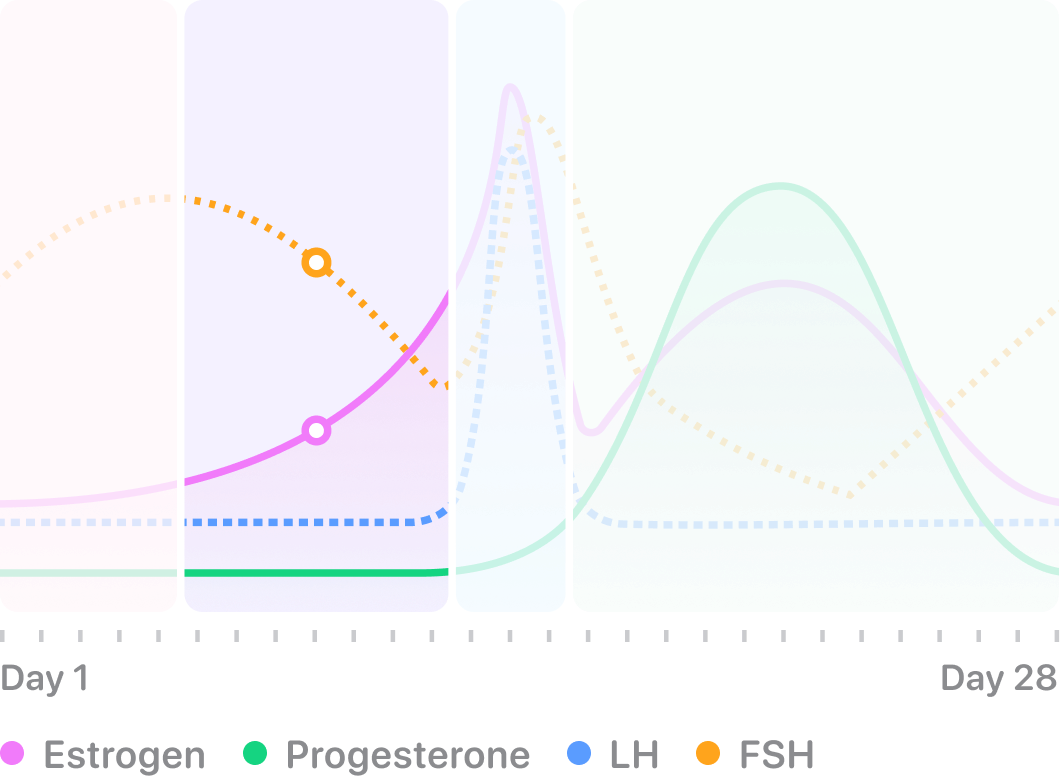
Following menstruation, your body begins to prepare for ovulation. The pituitary gland releases FSH, prompting several ovarian follicles to develop, each containing an immature egg. One dominant follicle will mature fully. Meanwhile, estrogen produced by the growing follicle helps rebuild the uterine lining (endometrium), thickening it to prepare for possible implantation. This phase lasts roughly 7–10 days after menstruation, though the total follicular phase can vary widely between individuals.
Typical symptoms:
- Physical: Skin may clear, energy begins to rise, and exercise performance improves.
- Emotional: More optimism, motivation, and creativity as estrogen increases serotonin and dopamine activity.
- Energy patterns: Great time for socializing, planning, and high-intensity workouts.
Key hormones:
- FSH: Stimulates follicle growth.
- Estrogen: Rises steadily, improving mood, focus, and libido.
- LH (Luteinizing Hormone): Starts to rise near the end of this phase, setting the stage for ovulation.
Ovulatory Phase
What’s happening:
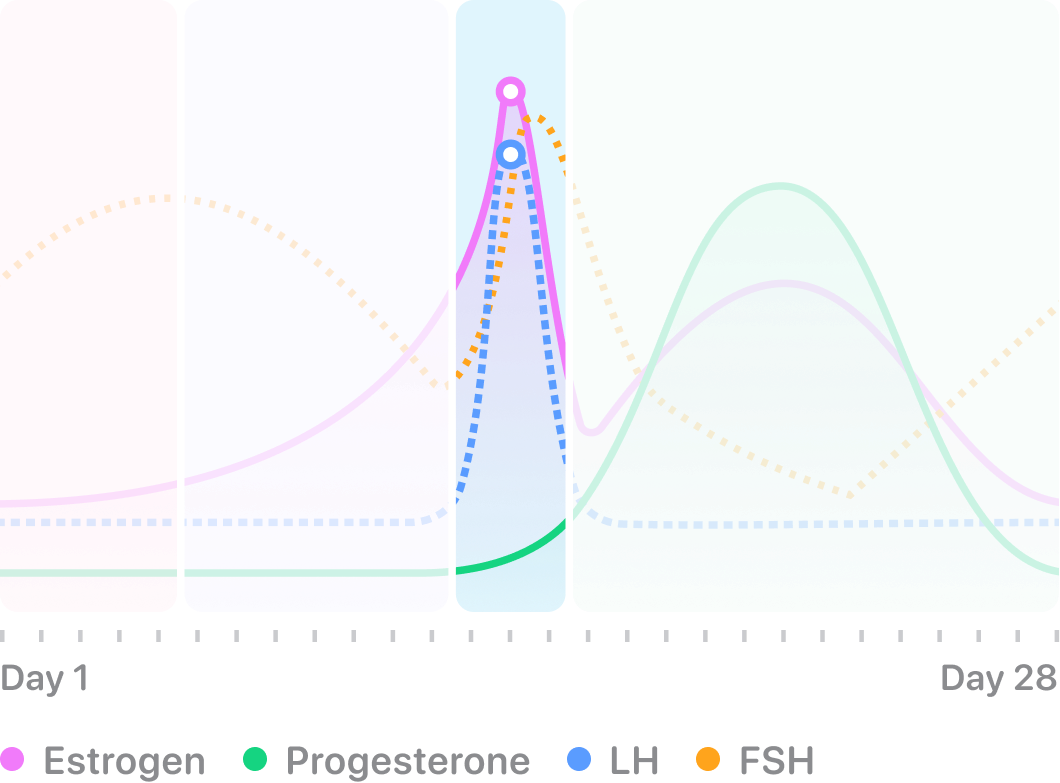
This is the midpoint of the cycle when a mature egg is released from the dominant follicle in one ovary. The LH surge triggers this release. The egg travels down the fallopian tube, where it can be fertilized within 12–24 hours. Bevel’s temperature-based algorithm identifies a 3-day ovulatory phase centered on ovulation.
Typical symptoms:
- Physical: Increased cervical mucus (clear, stretchy, egg-white texture), and a slight rise in basal body or wrist temperature post-ovulation.
- Emotional: Confidence, verbal fluency, and libido are at their peak.
- Energy patterns: You may feel most social and productive; ideal time for presentations, dates, or workouts.
Key hormones:
- LH: Surges sharply to trigger ovulation.
- Estrogen: Peaks, supporting energy, skin glow, and mood.
- FSH: Dips slightly after ovulation occurs.
Luteal Phase
What’s happening:
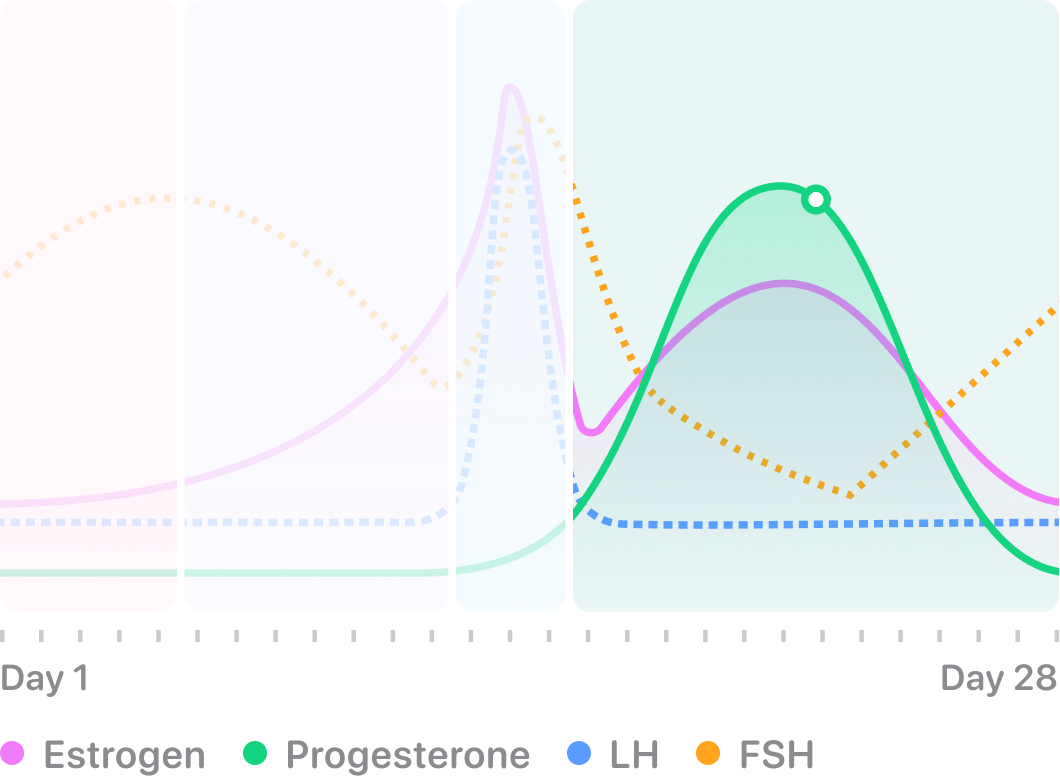
After ovulation, the ruptured follicle transforms into the corpus luteum, which secretes progesterone to maintain the uterine lining and support a potential pregnancy. If the egg isn’t fertilized, the corpus luteum breaks down after about two weeks, causing progesterone and estrogen levels to fall; this drop triggers menstruation and the cycle begins anew. The luteal phase typically lasts 10–14 days.
Typical symptoms:
- Physical: Bloating, breast tenderness, digestive changes, headaches, and fatigue.
- Emotional: Mood swings, irritability, and anxiety due to declining hormones; commonly called PMS.
- Energy patterns: Energy gradually decreases; restorative routines, balanced meals, and extra rest help maintain wellbeing.
Key hormones:
- Progesterone: Peaks mid-luteal phase, promoting calmness and sleep but can cause fluid retention and fatigue.
- Estrogen: Rises slightly then falls again if pregnancy doesn’t occur.
Natural Cycles vs. Hormonal Birth Control
Your hormone patterns, and how you feel throughout the month, depend on whether you’re experiencing a natural menstrual cycle or are on hormonal birth control. While both involve estrogen and progesterone, how these hormones rise and fall (or stay steady) makes a big difference in your energy, mood, and symptoms.
Hormonal contraceptives (like the pill, patch, or hormonal IUD) deliver steady levels of synthetic estrogen and/or progesterone to suppress FSH and LH, preventing ovulation. Without ovulation, your natural estrogen and progesterone cycles flatten, leading to a more stable hormonal environment. Energy and mood may feel more consistent throughout the month, but you might not experience the same high-energy ovulatory phase or cyclical rhythm typical of a natural cycle. The bleeding that occurs during placebo or hormone-free days is called withdrawal bleeding, not a true period. Bevel hides phase views on active hormonal contracepetion for this reason.


