
Biological Age Limitations
Understand the boundaries of your Biological Age and how to interpret it with the right context.
Biological Age is one of the most comprehensive signals Bevel offers, but like any model, it has boundaries worth understanding. This article explains where those boundaries are and how to interpret your score accordingly.
If Your Biological Age Is Under 18
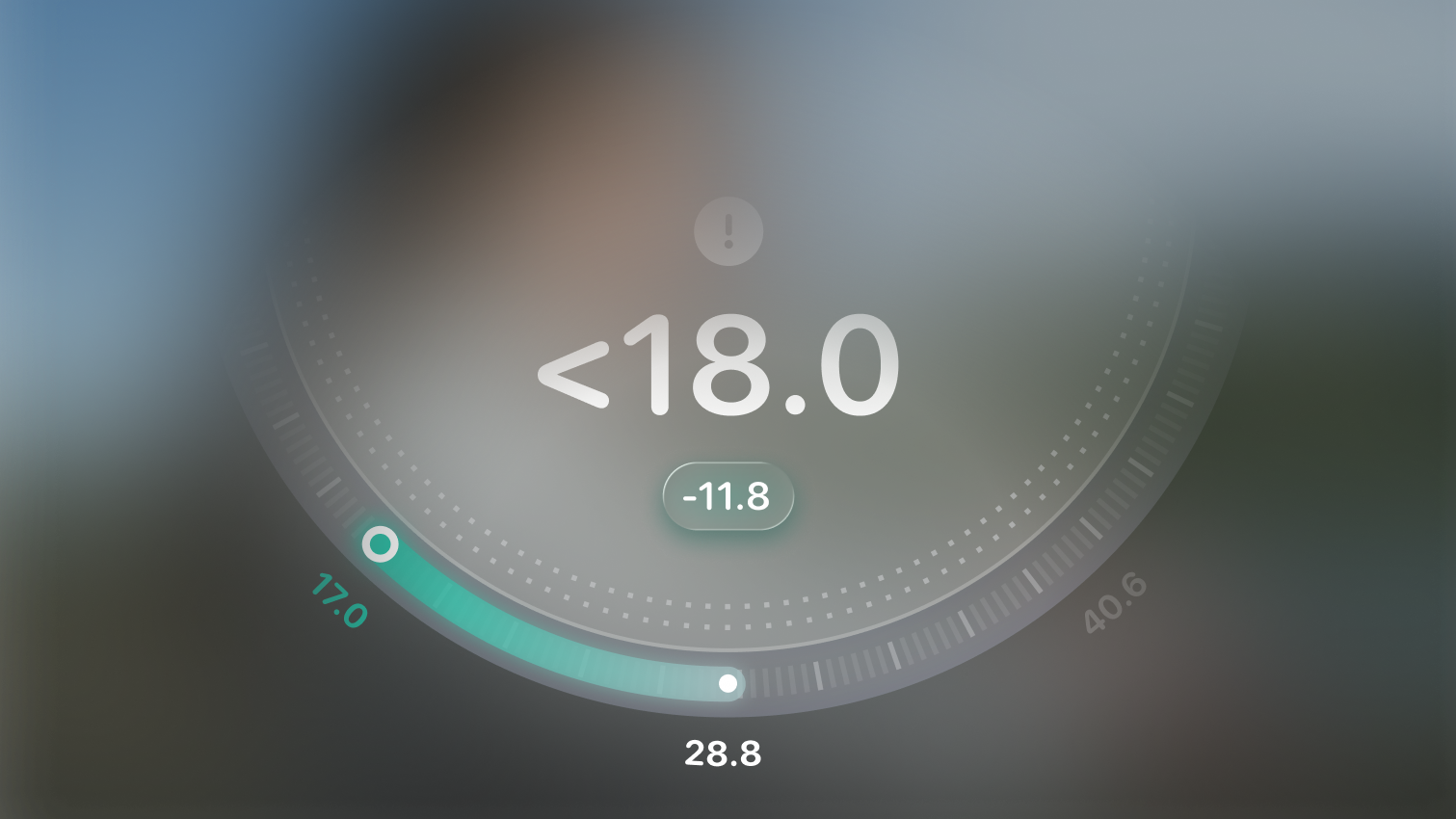
If your Biological Age is calculated below 18, you'll see it displayed with an (i) indicator.
Some biological age models simply cap results at 18, treating it as a floor. Bevel doesn't do this; we show your actual calculated score, because suppressing it would hide meaningful information about your health trajectory. A result below 18 reflects genuinely strong physiological markers and is worth knowing.
That said, the PhenoAge equation was developed on adult populations, so its precision naturally decreases at the lower end of the range. Blood biomarkers are already weighted less heavily when a sub-18 result is calculated, which partially mitigates this, but the number is best read as a signal that you're aging very well, not a precise age estimate.
If You Are Under 18
Biological Age is available for adults aged 18 and older. The research models underpinning the feature were developed and validated on adult populations, meaning results would be unreliable for younger users. To ensure the score is meaningful, access is restricted to users 18 and above.
Chronic Conditions, Individual Context, and Medical Disclaimer
Biological Age is an educational tool based on population-level research, not a medical diagnosis. It does not account for individual chronic conditions. If you have a diagnosed condition such as type 2 diabetes, cardiovascular disease, or autoimmune disorders, your markers may be influenced by factors the model isn't designed to distinguish.
For example, an elevated hs-CRP may reflect a managed inflammatory condition rather than a lifestyle-driven risk. A higher resting heart rate may be medication-related rather than a sign of poor cardiovascular fitness. In these cases, your score may not fully reflect your true health picture.
More broadly, your score is derived from wearable data, self-reported surveys, and blood test results. While these are powerful inputs, they don't capture everything — genetics, stress, medication, and many other factors all influence how you age and are not fully reflected in the model.
Treat Biological Age as one signal among many. Always interpret your results alongside a qualified healthcare professional, who has the full context the model doesn't, especially before making significant changes to your exercise, nutrition, or health behaviors.


