Blood Biomarkers
Understand how your blood biomarkers reflect your biology and contribute to your Biological Age.

Blood Biomarkers and Biological Age
If physiological and lifestyle factors are the inputs (your sleep, movement, fitness, and habits) blood biomarkers are the outputs. They're what happens at a cellular and metabolic level as a result of how you live. Where a wearable can tell you how long you slept or how many steps you took, your blood can tell you how those habits are actually showing up in your biology.
The PhenoAge Model
Bevel calculates the blood biomarker component of Biological Age using Levine's PhenoAge model; one of the most validated biological aging clocks in published research (Levine et al., 2018).
Developed by Dr. Morgan Levine at Yale, PhenoAge uses nine routine blood biomarkers to estimate biological age based on their combined association with mortality risk. Rather than looking at any single marker in isolation, the model combines them into a composite score that reflects how your body is functioning across multiple systems simultaneously, including metabolic health, inflammation, immune function, and organ health.
The model was developed and validated using NHANES data spanning adults aged roughly 20–84, making it most reliable across typical adult and older-adult populations. While it can provide meaningful signal across that full range, it tends to be most predictive in middle-aged and older adults, where differences in biological aging become more pronounced and mortality risk differentials are larger. For younger adults, it still provides a meaningful directional signal, but is best interpreted as a guide rather than a precise measurement.
The Nine Biomarkers
These nine markers are what Bevel uses from your uploaded blood test results to calculate the blood biomarker component of your Biological Age:
- Albumin — Nutritional status and liver function
- Creatinine — Kidney function
- Glucose — Blood sugar and metabolic health
- hs-CRP — Systemic inflammation
- Lymphocytes — Immune function
- MCV — Red blood cell size (nutrient and oxygen delivery)
- RDW — Red blood cell variability (a marker of cellular aging)
- ALP — Liver and bone health
- WBC Count — Overall immune activity
Together, these markers give a picture of how well your body is functioning across several key dimensions of health.
How to Add Your Blood Results
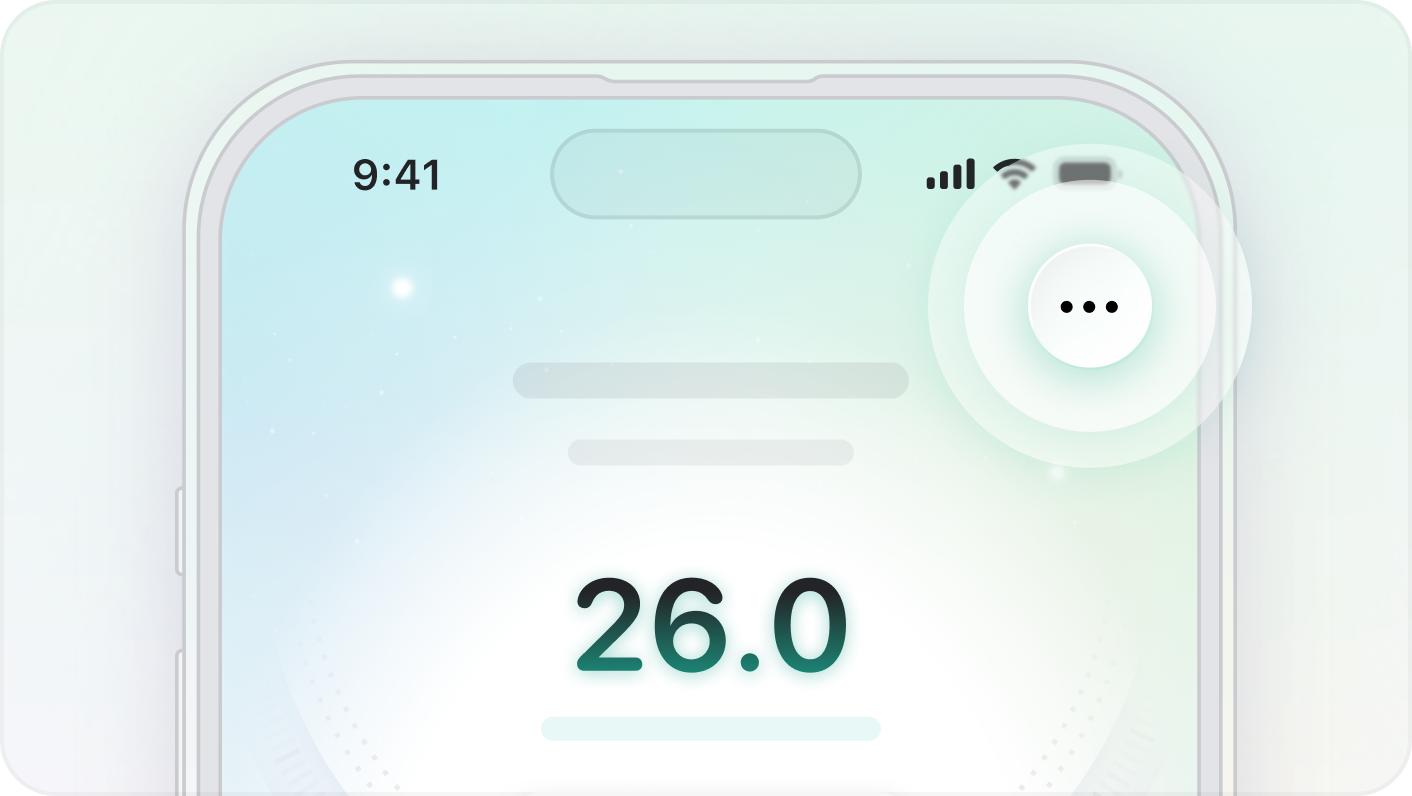
To include blood biomarkers in your Biological Age, upload your results directly in the Biology tab by tapping ··· > Upload Blood Test. Once uploaded, they'll be incorporated into your score automatically. You can also add them via Bevel Intelligence.
Blood biomarkers are weighted based on how recent your results are. Results less than six months old carry full weight. Older results are discounted progressively, so keeping your bloodwork up to date gives you a more accurate and complete Biological Age.
100+ Additional Biomarkers in Biology
The nine PhenoAge markers are specifically used for Biological Age, but they're just the starting point. Bevel's Biology section lets you track 100+ biomarkers, giving you a much broader view of your health across metabolic, cardiovascular, hormonal, and nutritional systems.
Some of the most clinically relevant additional markers include:
- ApoB — a direct measure of cardiovascular risk, often more predictive than LDL cholesterol alone
- HbA1c — average blood sugar over the past 3 months, a key marker of metabolic health
- Fasting Insulin — an early indicator of insulin resistance, often elevated before glucose rises
- Ferritin — iron storage and inflammatory status
- Lipoprotein(a) — a largely genetic cardiovascular risk factor independent of lifestyle
- Omega-3 Total — a marker of cardiovascular and inflammatory health linked to longevity
All of these have been linked to chronic disease risk and long-term health outcomes — they just aren't part of the PhenoAge equation itself.
How These Factors Work Together
Blood biomarkers sit at the intersection of everything else in your Biological Age. They reflect the downstream effects of your sleep, activity, fitness, nutrition, and other habits, which is why improving your lifestyle factors tends to move your biomarkers over time too. Uploading updated bloodwork regularly is one of the best ways to ensure your Biological Age reflects the full picture.
Related articles

