

The Basics: Blood Pressure
Learn what blood pressure means, how to interpret your readings, and how to track trends over time.
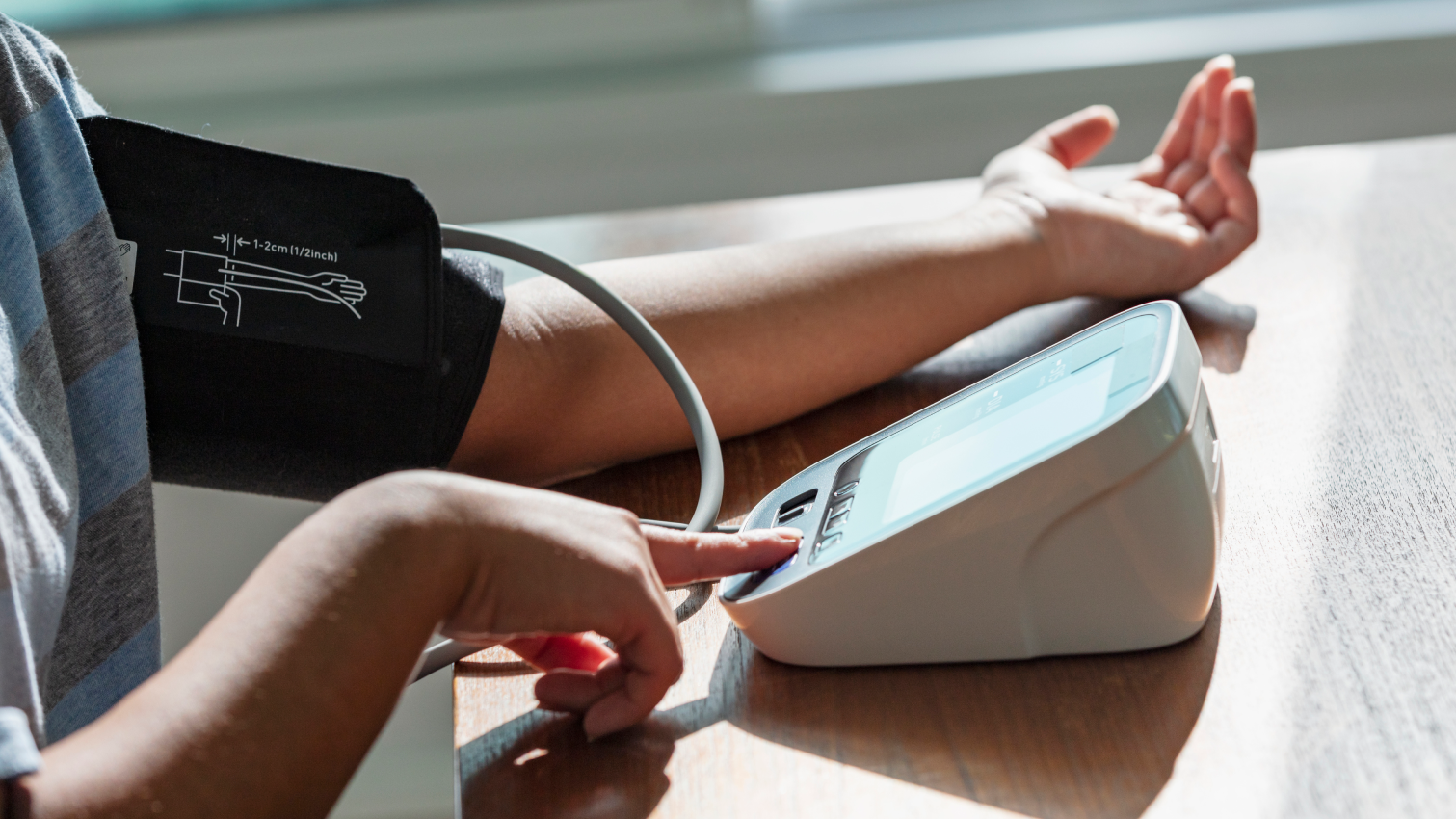
What is Blood Pressure?
Blood pressure measures the force of blood pushing against the walls of your arteries as your heart pumps. It is recorded as two numbers: systolic pressure, the pressure when your heart beats, and diastolic pressure, the pressure when your heart rests between beats.
For example, a reading of 120/80 mmHg means your systolic blood pressure is 120, and your diastolic blood pressure is 80. The unit, mmHg, stands for millimeters of mercury.
Blood pressure is one of the most important indicators of cardiovascular health. Over time, consistently elevated blood pressure can put extra strain on the heart, blood vessels, brain, and kidneys.
Interpreting Blood Pressure
Blood pressure categories can vary depending on the clinical guideline used. In Bevel, you can choose between the American Heart Association (AHA) and European Society of Cardiology (ESC) classification guidelines. If location services are available, Bevel will default to the guideline most relevant to your region.
AHA Categories

Source: 2025 AHA/ACC High Blood Pressure Guideline
ESC Categories
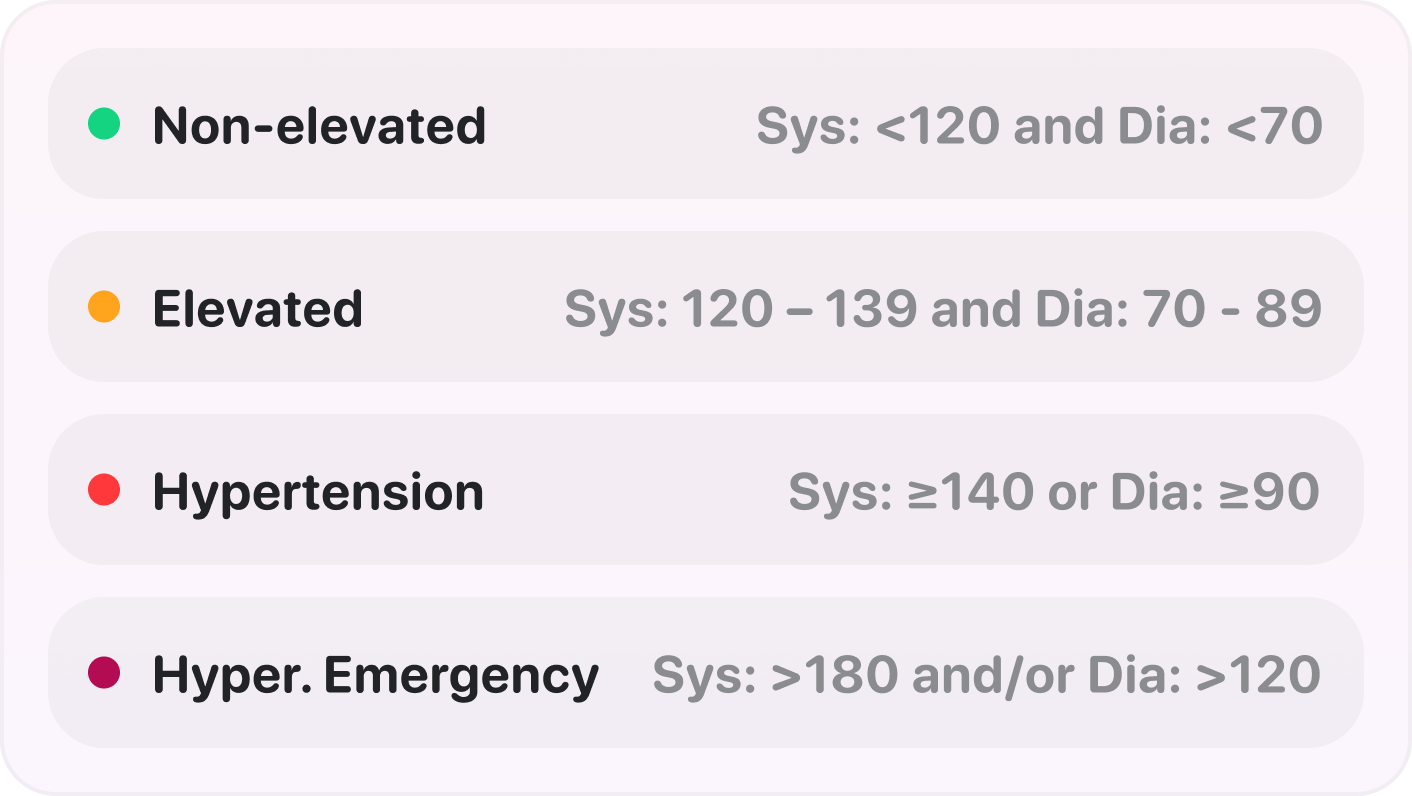
Source: 2024 ESC Guidelines for the Management of Elevated Blood Pressure and Hypertension
Because blood pressure naturally fluctuates throughout the day, a single reading does not always reflect your usual blood pressure. Trends over time are often more useful than one measurement, especially when readings are taken consistently and under similar conditions.
How Bevel Tracks Blood Pressure
Bevel helps you view and track your blood pressure readings over time. You can log blood pressure directly in the app by entering your systolic and diastolic values, and Bevel will display your readings on a chart so you can monitor changes and trends.
If you log multiple readings in a day, Bevel will show the daily average on your chart. You can view individual readings in your history.
Bevel also provides trend analysis across different time periods, helping you understand whether your systolic or diastolic readings are increasing, decreasing, or staying relatively stable.
Why Blood Pressure Matters
Blood pressure is closely tied to cardiovascular health. When blood pressure stays high over time, the heart has to work harder to pump blood, and the arteries are exposed to greater pressure. This can increase the risk of serious health problems, including heart attack, stroke, heart failure, and kidney disease.
Tracking blood pressure can help you understand your baseline, spot changes over time, and prepare for more informed conversations with your healthcare professional.
How to Take Your Blood Pressure
For the most consistent reading:
- Avoid stimulants: Avoid caffeine, nicotine, exercise, or other stimulants for at least 30 minutes beforehand.
- Rest first: Sit quietly for at least five minutes before measuring.
- Get into position: Sit with your feet flat on the floor, back supported, and arm resting at chest height.
- Use the cuff correctly: Place the cuff on bare skin and measure from the same arm and position each time.
When you log multiple readings in a day, your chart will show the average. You can view all readings in your history.
How to Support Healthy Blood Pressure
Blood pressure can be influenced by sleep, stress, activity, diet, alcohol, medications, and underlying health conditions.
To support healthy blood pressure patterns:
- Move regularly: Consistent physical activity supports cardiovascular health.
- Eat a balanced diet: Prioritize fruits, vegetables, whole grains, lean protein, and minimally processed foods.
- Limit excess sodium and alcohol: Both can affect blood pressure in some people.
- Prioritize sleep: Poor or insufficient sleep can impact blood pressure regulation.
- Manage stress: Relaxation, breathing, and recovery habits can help support healthier patterns.
- Follow your care plan: If you have clinical guidance or medication, follow your healthcare professional’s instructions.
Disclaimer
Bevel is for wellness tracking and education only. Bevel does not measure blood pressure, diagnose hypertension, or provide medical advice.
Blood pressure readings may be incomplete or inaccurate depending on your device, measurement technique, syncing source, or manual entry.
Always consult a qualified healthcare professional for interpretation, diagnosis, treatment, and care decisions. If you have a very high reading, concerning symptoms, or believe you may be experiencing a medical emergency, seek urgent medical care immediately.


